
UX/UI Design Trends 2025: From Minimalism to Playful Chaos
UX/UI design has consistently reflected cultural shifts and evolving user expectations. In 2025, the field continues to grow at a rapid pace, balancing simplicity with bold experimentation. While minimalism still influences many interfaces, there is a resurgence of playful chaos that is introducing color, texture, and personality back into the digital landscape. Let’s explore the seven biggest UX/UI design trends of 2025, complete with visual examples.
1. Minimalism Refined
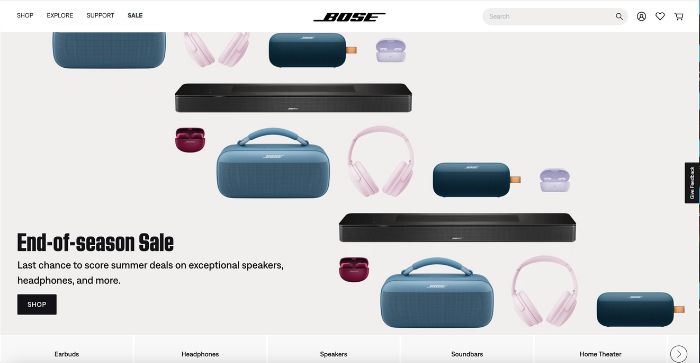
Minimalism has not disappeared; rather, it has evolved. Interfaces now balance whitespace, typography, and subtle animations to create clarity without appearing sterile.
2. Playful Chaos
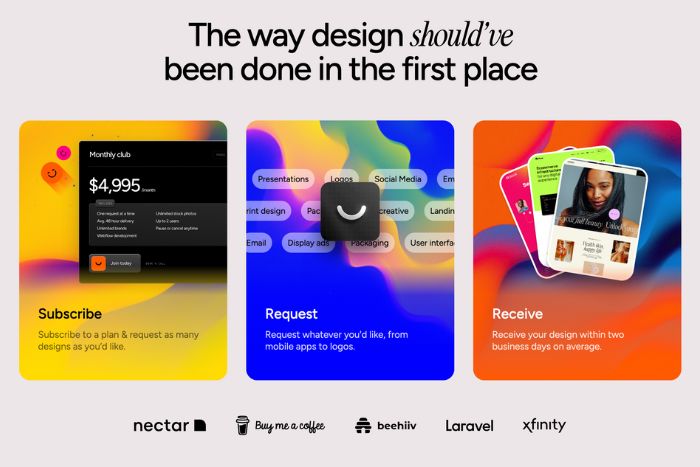
The movement of playful chaos serves as a counterpoint to minimalism, characterized by its appreciation for asymmetry, vibrant color palettes, bold typography, and experimental layouts. This approach enables brands to differentiate themselves and cultivate a more relatable human connection.
3. 3D & Immersive Elements
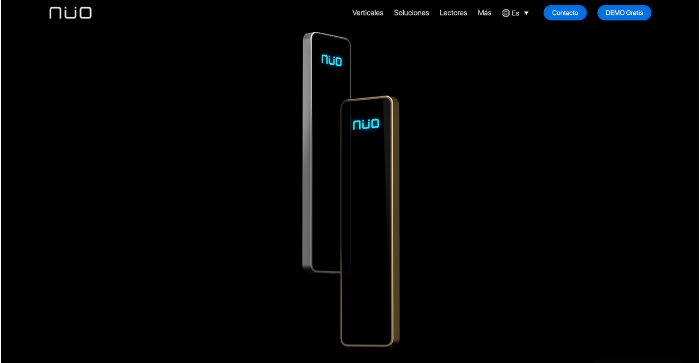
Recent advancements in WebGL, Three.js, and real-time rendering technologies have established three-dimensional (3D) graphics as a prominent feature in user interface design. These innovations enable applications ranging from product showcases to immersive onboarding processes, thereby integrating 3D elements into the commonplace web experience.
4. AI-Assisted Interfaces
As artificial intelligence is increasingly integrated into workflows, users are developing an expectation for interfaces that adapt to their specific needs. Features such as intelligent suggestions, predictive search functionalities, and personalized dashboards are rapidly becoming standard within these systems.
5. Dark Mode, Elevated
Dark mode is not a new concept, but in 2025, it has become more sophisticated. Designers are now integrating gradients, glassmorphism, and glowing accents to enhance the vibrancy of dark user interfaces (UIs). Dark mode has emerged as a crucial feature in product design for startups this year. According to the Nielsen Norman Group, 82% of mobile users now utilize dark mode, highlighting its increasing significance in shaping user experiences.
6. Motion Micro-Interactions
Motion design has emerged as a critical component of user experience (UX) design. Through the use of elements such as button hovers and scrolling-triggered animations, these micro-interactions significantly enhance user satisfaction and provide essential feedback.
The HubSpot chatbot, referred to as HubBot, delivers an interactive experience that closely resembles a conversation with a knowledgeable friend. Upon submitting a query, users observe the appearance of three bouncing dots, signifying that the bot is in the process of formulating a response.

7. Accessible & Inclusive Design
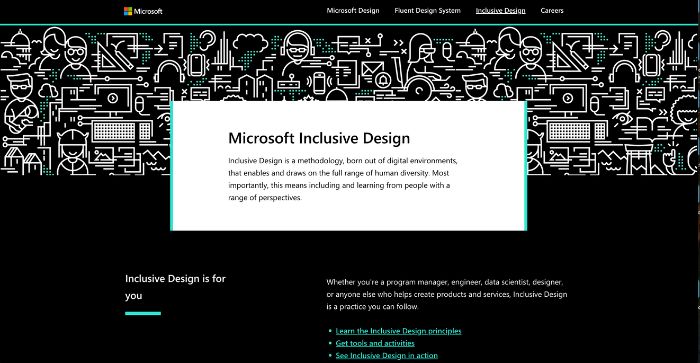
Accessibility has become a core principle in design. Designers now prioritize clear typography for readability, appropriate color contrast for visibility, and screen reader compatibility for seamless navigation. Additionally, flexible layouts are implemented to ensure designs adapt across various devices and screen sizes, fostering an inclusive experience for all users.
In 2025, the world of UX/UI design shows two clear styles: one focuses on simple, clean designs, while the other plays with bold and chaotic ideas. At the same time, new trends like immersive 3D spaces, personalized AI features, motion feedback, and inclusive design are changing how users interact with digital tools.
For designers, the key challenge is to find a balance. It’s important to use trends that improve usability while still allowing for personal expression. The future of UX/UI is not just about functionality; it’s about creating experiences that resonate emotionally with users and build deeper connections.